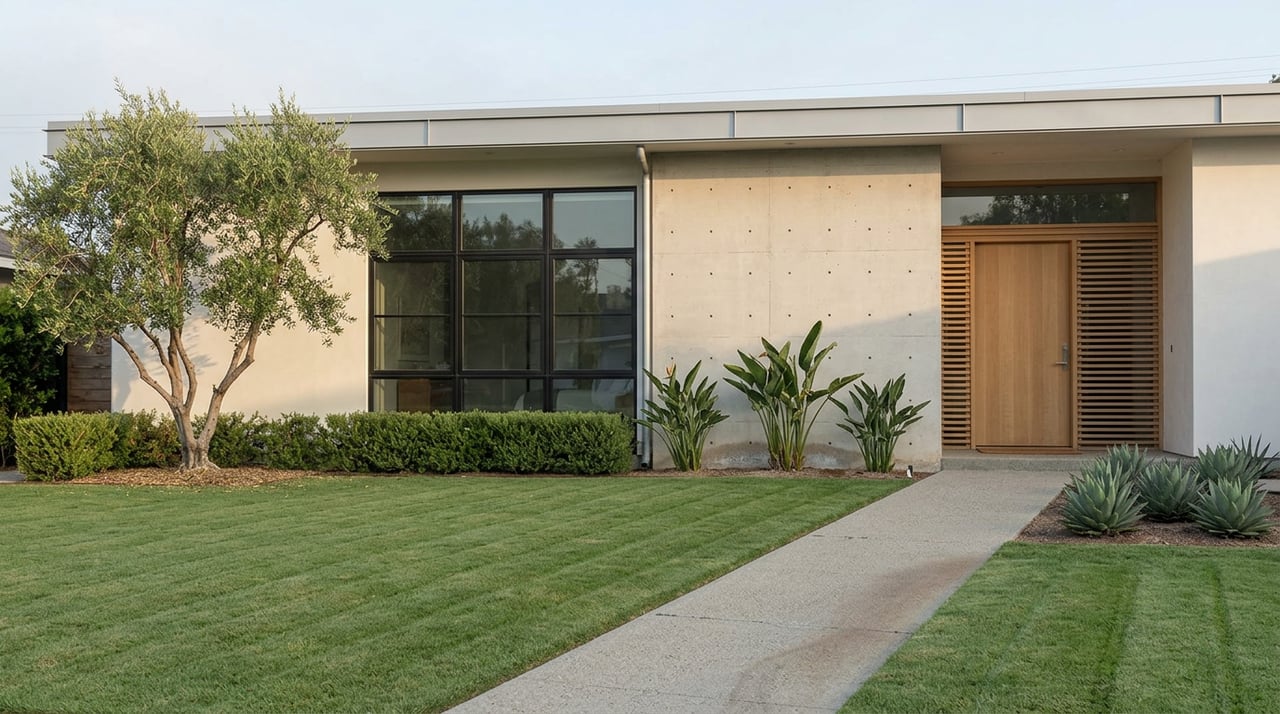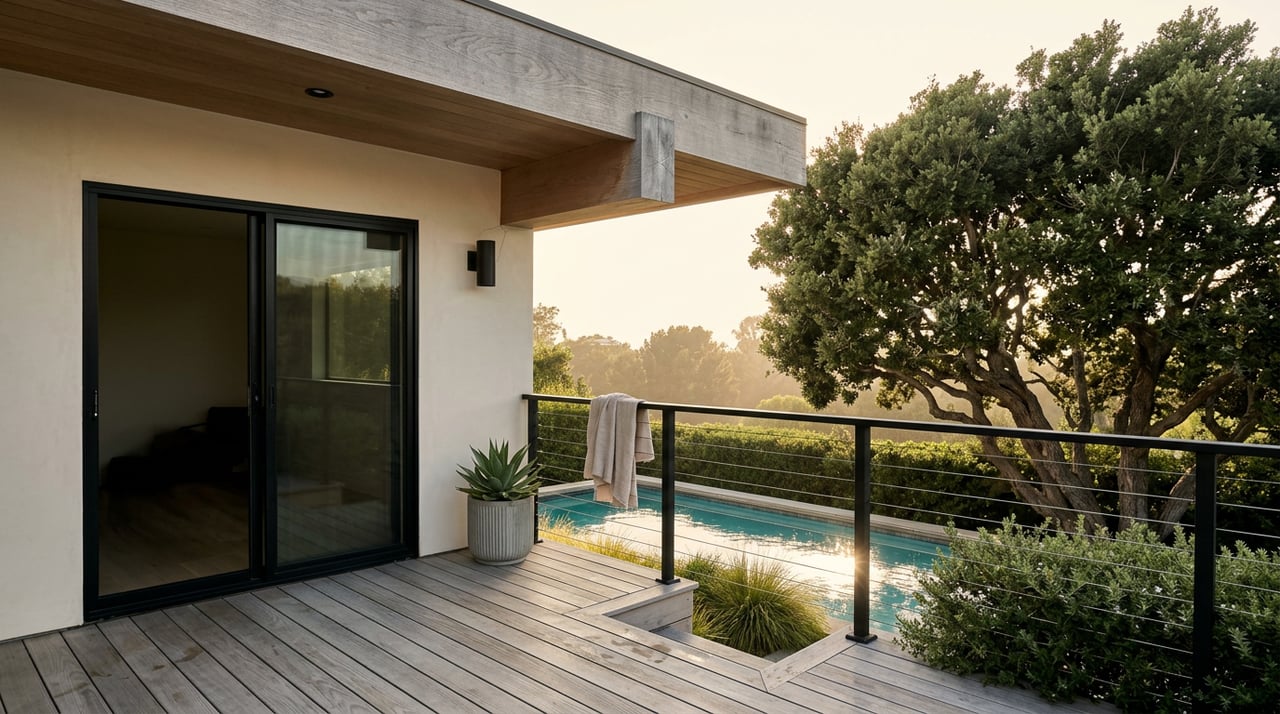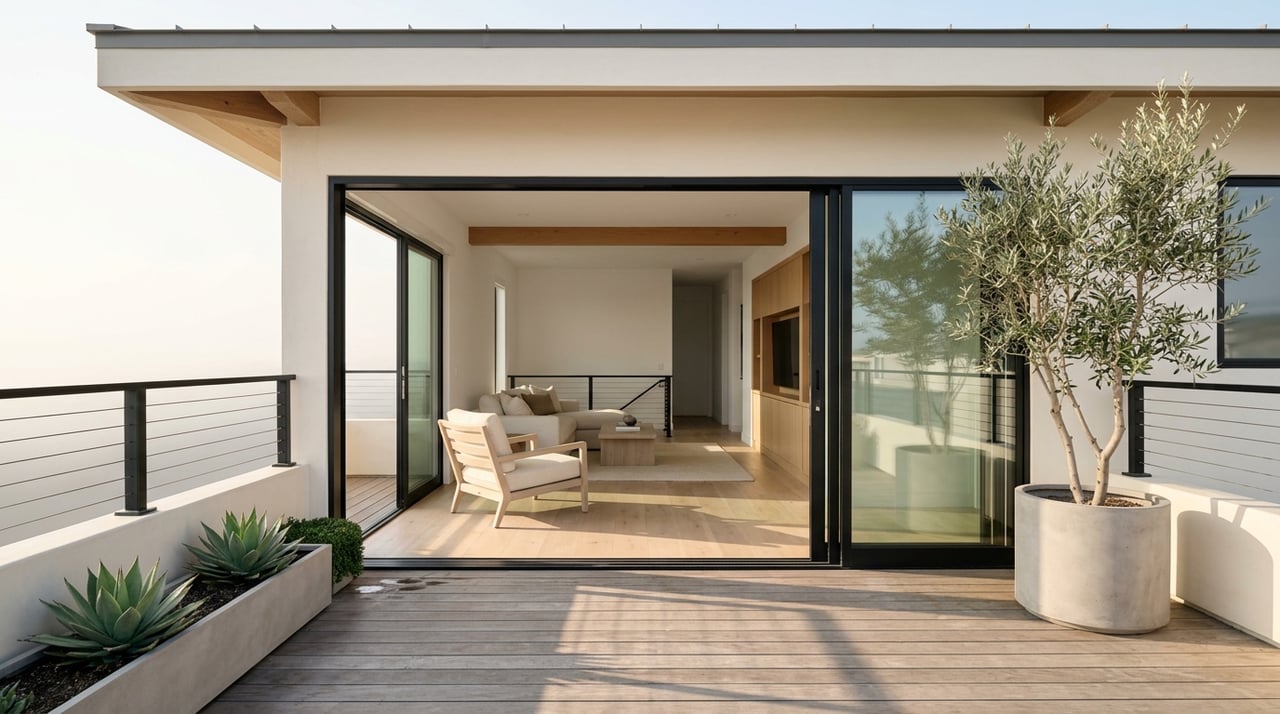
Dreaming about buying near the beach in Del Mar? The ocean views are easy to fall for, but the smartest buyers know the real decision goes much deeper. When you buy in a compact coastal market like Del Mar, you are also buying into access, daily routines, land-use limits, and long-term ownership considerations. This guide will help you look past the postcard appeal and focus on what really matters before you make a move. Let’s dive in.
Why Del Mar Stands Out
Del Mar is one of the smallest and most sought-after coastal markets in San Diego County. In May 2026, Realtor.com reported 80 active listings, a median listing price of $4.085 million, a median of 38 days on market, and a 99% sale-to-list ratio. Those numbers point to a market where buyers still have options, but pricing remains firm.
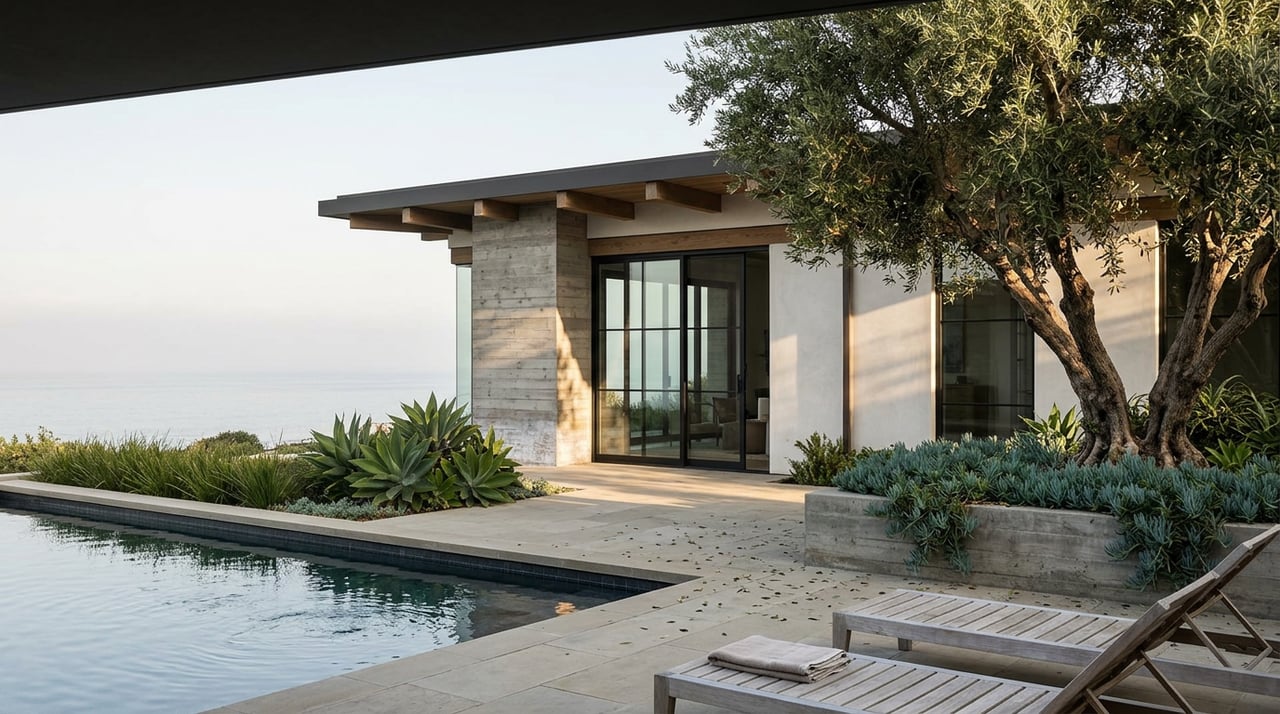
What makes Del Mar stand out is not just housing inventory. You also get more than two miles of sandy beach, direct access to outdoor recreation, and a pedestrian-friendly core close to the Pacific. For many buyers, that combination creates value that goes beyond the home itself.
The city’s coastal setting supports a lifestyle centered on movement and access. Del Mar highlights beaches, parks, coastal bluffs, Torrey Pines State Park, Crest Canyon, and the San Dieguito River Lagoon as part of everyday outdoor life. If you are buying here, you are often paying for how the area feels to live in day to day, not just what the property looks like on paper.
What Homes You’ll Find
Del Mar does not offer the wide suburban housing mix you may find in larger coastal communities. Its limited size and land-use framework shape a smaller, more selective inventory. In practical terms, most buyers are comparing beach-close single-family homes, hillside or view homes, and a smaller pool of condos or mixed-use opportunities.
The Village Specific Plan area is mostly commercial, civic, and hotel use, with limited residential space. Nearby residential areas include primarily single-family homes, duplexes, and mixed-residential pockets. That means your search may feel highly specific, especially if you want both beach proximity and a certain home style.
Lot patterns also vary by area. City guidance notes that North Beach tends to have relatively flat, smaller lots, while North and South Hills and bluff-top neighborhoods are more irregular and topographically varied. That difference can affect everything from parking and yard space to remodel possibilities and views.
Why Lot Shape and Terrain Matter
In Del Mar, the lot matters almost as much as the house. The city places a strong emphasis on view protection, privacy, and development that fits the terrain. Because of that, two homes with similar square footage can offer very different long-term flexibility.
If you are considering a remodel, expansion, or major updates later, you will want to study more than the interior. Slope, lot shape, and view corridors may influence what can realistically be added or changed. A property that looks perfect for future plans today may come with more limits than expected.
This is especially important in hillside and bluff-adjacent areas. The terrain can create beautiful vantage points, but it can also add complexity to maintenance, design, and future improvements. Buying with a clear understanding of those factors helps you avoid surprises after closing.
Daily Life Beyond the View
A beach-close address can feel amazing, but daily convenience is part of the equation too. In Del Mar, parking is one of the biggest practical trade-offs. The city’s Downtown Parking Management Plan notes that on-street parking is often full or nearly full at peak times in parts of the Village and along corridors including 15th Street, Camino del Mar, Stratford Court, Coast Boulevard, and Luneta Drive.
The city also uses metered and time-limited parking in beach and village areas. For you as a buyer, that means it is worth thinking carefully about off-street parking, guest parking, and how often you plan to walk versus drive. A home that seems ideal during a quiet showing may feel very different during a busy weekend.
Access patterns matter too. The Village plan notes that Camino del Mar is the town’s only north-south arterial, with Interstate 5 about a mile east. At the same time, the core remains walkable, with bike lanes and the 101 bus line supporting local mobility.
The Lifestyle Trade-Offs to Weigh
Buying near the beach in Del Mar often means balancing charm with constraints. Many buyers gladly accept that trade, but it helps to go in with clear eyes. The right home is not always the one with the best photo. It is the one that fits how you actually want to live.
Here are a few practical questions to ask yourself:
- How important is walkability versus easy vehicle access?
- Do you want flatter terrain, or are you open to hillside and bluff-area settings?
- Will you need reliable guest parking for family or visitors?
- Are you buying mainly for primary living, a second home, or long-term investment?
- Do you expect to remodel or expand in the future?
These questions can help narrow your search faster. In a market with limited inventory, clarity often gives you an advantage.
Coastal Risk and Ownership Rules
Owning close to the coast in Del Mar also means understanding local risk and regulation. The city’s sea-level-rise program identifies beachfront, beach-area, bluff-top residences, the bluff corridor, and coastal infrastructure as vulnerable. That does not mean every property faces the same exposure, but it does mean location-specific due diligence is essential.
Bluff-area rules are particularly important. Del Mar’s coastal bluff regulations require a 40-foot setback from the bluff edge for principal structures and restrict grading near or on the bluff face. If you are shopping for a bluff-adjacent property, those standards can affect both current use and future plans.
Fire risk is another factor to keep on your radar. The city’s 2025 fire-hazard update expanded High and Very High Fire Hazard Severity Zones and added stricter mitigation, inspection, and disclosure obligations. Depending on the location, those requirements may shape your ownership costs and responsibilities.
What Investors and Second-Home Buyers Should Know
If you are considering Del Mar as a second home or investment purchase, short-term rental rules deserve close attention. Del Mar states that new short-term rentals are not allowed in residential zones and are limited to specific commercial zones and certain entitled properties. That makes the market less flexible than some other beach communities.
In other words, you should not assume you can buy a home and later use it as a casual vacation rental. The property’s zoning and entitlement status matter. If rental income is part of your plan, that detail should be part of your decision from the beginning.
This is one of the clearest examples of why buying in Del Mar requires more than falling in love with the location. The right purchase depends on how you plan to use the property over time.
How Del Mar Compares Nearby
Del Mar sits at the top of the price ladder among several coastal San Diego markets in the latest snapshots. Realtor.com’s May 2026 data puts Del Mar around a $4.1 million median listing price. By comparison, La Jolla is roughly $2.8 million to $3.0 million, Coronado about $3.18 million to $3.20 million, Encinitas about $2.5 million to $2.7 million, and Solana Beach about $2.15 million to $2.45 million.
Inventory also helps explain Del Mar’s premium. Del Mar had 80 listings in that snapshot, while La Jolla and Encinitas both showed substantially more available homes. That smaller supply base can make Del Mar feel more scarcity-driven than nearby alternatives.
For you, the key question is whether you want the tightest, most beach-adjacent pool of homes, or whether a nearby coastal market might offer more selection and a lower entry point. Del Mar tends to appeal to buyers who are willing to pay for that concentration and exclusivity.
When to Start Your Search
Even in a high-end market, timing can shape your options. Realtor.com described Del Mar in May 2026 as balanced and warm, with active inventory up 33.87% month over month. That suggests buyers may see more choice from late spring into early summer, even if competition remains strong.
Because Del Mar is such a small market, waiting for the perfect wave of listings can be risky. More homes may come on, but the overall pool is still limited. If you are serious about buying here, preparation matters just as much as timing.
That means getting clear on your priorities early. Know your must-haves, understand your comfort with lot and access trade-offs, and be ready to move when the right fit appears.
What Smart Buyers Focus On
The buyers who do best in Del Mar usually look beyond finishes and views. They pay attention to how a property works, how the location functions, and how local rules may shape the future. That mindset can help you make a stronger, more confident decision.
As you evaluate homes, keep your focus on these core points:
- Lifestyle fit: beach access, walkability, and daily convenience
- Property type: single-family, hillside home, condo, or mixed-use opportunity
- Lot realities: slope, shape, privacy, and view considerations
- Access and parking: off-street spaces, guest use, and traffic flow
- Ownership limits: bluff setbacks, fire-zone obligations, and rental restrictions
- Market position: price, availability, and competition versus nearby coastal areas
When you look at Del Mar through that wider lens, you can better tell whether a property is truly right for you. That is where real confidence comes from.
If you are weighing a move in Del Mar or comparing it with other coastal options, working with a team that understands both lifestyle goals and investment-minded decision making can make the process much clearer. Connect with Luis Mendoza for thoughtful guidance as you explore your next move.
FAQs
What is the Del Mar housing market like for beach-area buyers?
- Del Mar is a compact, high-end market with 80 active listings, a median listing price of $4.085 million, 38 median days on market, and a 99% sale-to-list ratio in May 2026.
What kinds of homes can you buy near the beach in Del Mar?
- Buyers will usually find beach-close single-family homes, hillside or view homes, and a smaller set of condo or mixed-use opportunities rather than a large suburban-style inventory.
What should buyers know about parking in Del Mar beach areas?
- Parking can be tight in the Village and nearby coastal corridors, with city reports noting peak-time curb occupancy and metered or time-limited parking in beach and village areas.
What local property rules matter when buying in Del Mar?
- Buyers should pay attention to bluff setbacks, grading restrictions near bluff areas, sea-level-rise vulnerability, and fire-hazard requirements that may affect use, maintenance, and future plans.
Can you use a Del Mar home as a short-term rental?
- New short-term rentals are not allowed in residential zones in Del Mar and are limited to specific commercial zones and certain entitled properties.
How does Del Mar compare with other coastal San Diego markets?
- Del Mar generally has higher median listing prices and a smaller inventory pool than nearby coastal areas like La Jolla, Encinitas, Solana Beach, and Coronado, which can make it feel more scarcity-driven.