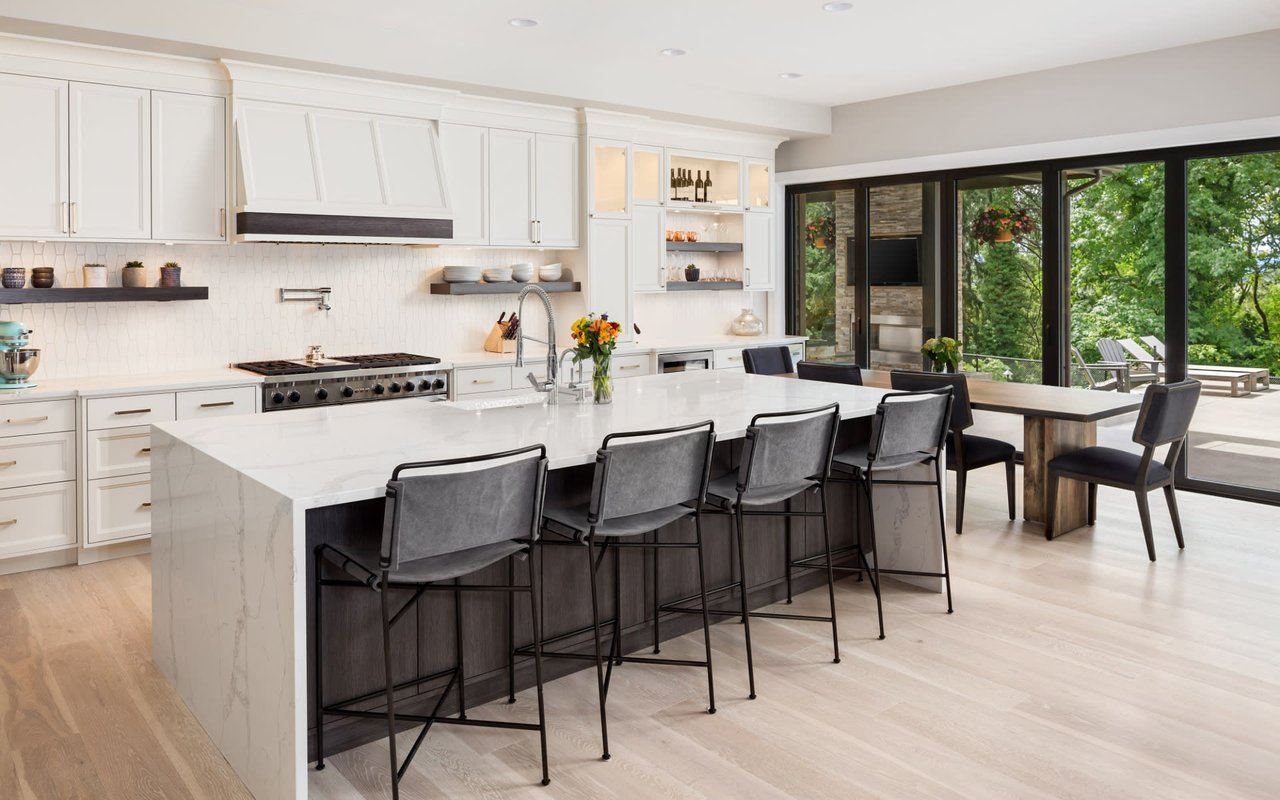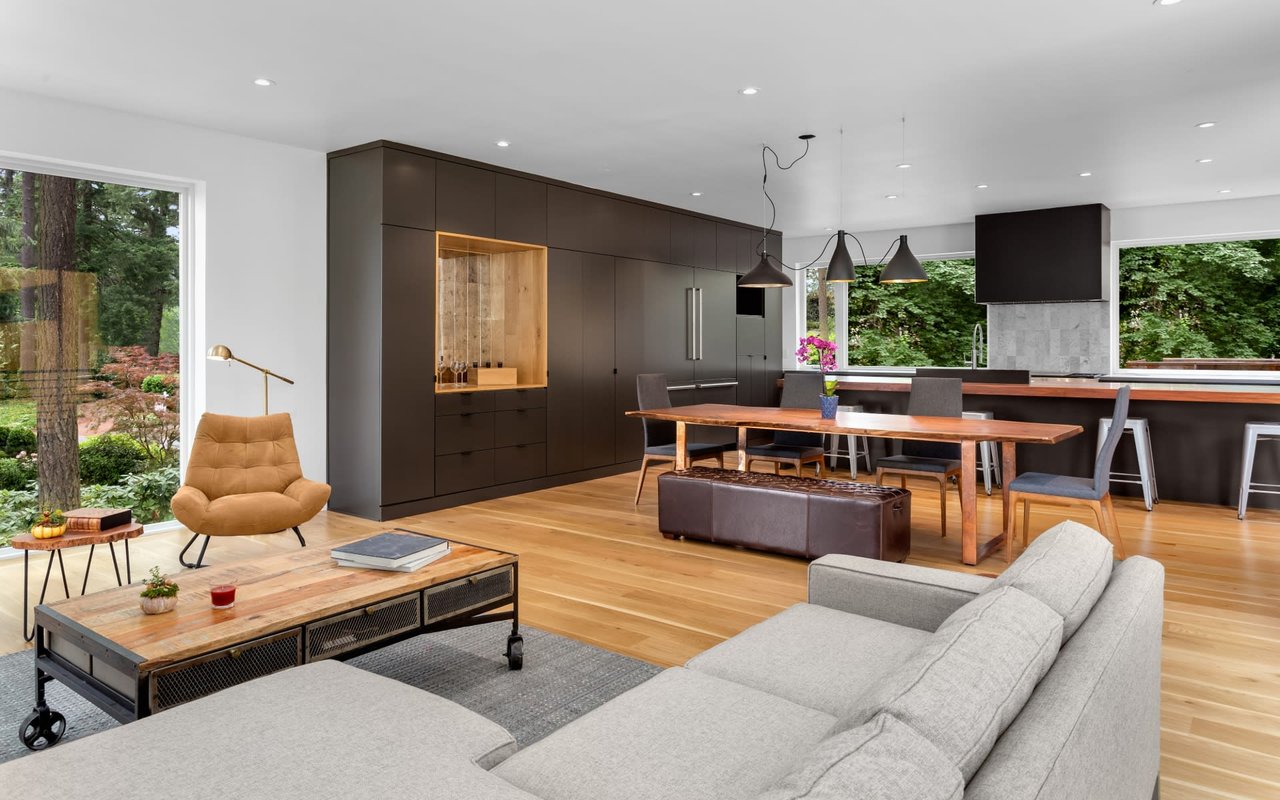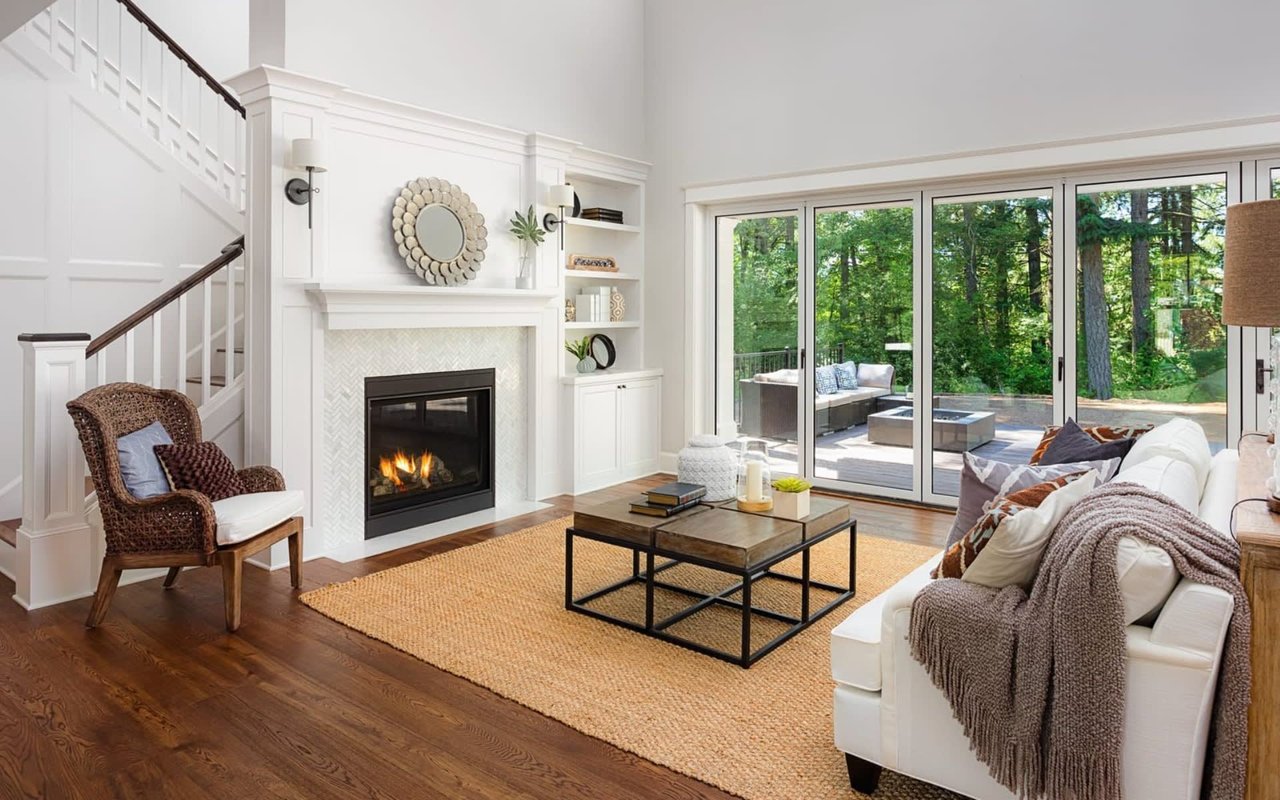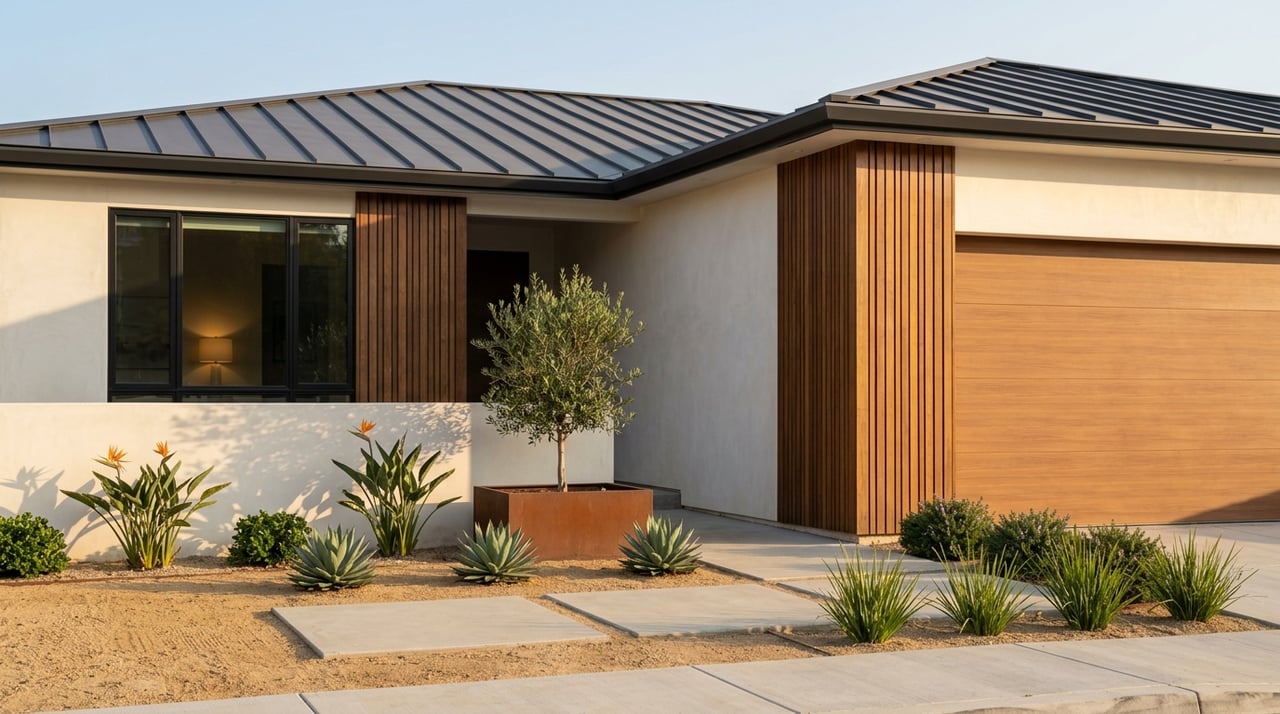
Thinking about selling your current home and buying a bigger one in San Diego? That move can open the door to more space and a better fit for your next chapter, but it also comes with more moving parts than a typical sale. If you want to protect your equity, time your next purchase wisely, and avoid surprises, it helps to plan before your home ever hits the market. Let’s dive in.
San Diego still favors sellers
San Diego remains a competitive market for sellers, but it is not moving at the same pace in every area or price point. Recent Redfin city-level data show a median sale price of $954,429 over the last three months, about 23 days on market, and roughly three offers per home on average.
County MLS data from SDAR show a similar seller-friendly picture, with more nuance by property type. In April 2026, detached homes had a median sale price of $1.1 million, spent about 35 days on market, and received 98.9% of original list price. Attached homes posted a $680,000 median sale price, 41 days on market, and 97.9% of original list price received.
For move-up sellers, the takeaway is simple: the market is active, but not uniform. Countywide supply was down 12.4% year over year in May 2026, while pending sales were up 2.9%. That means demand is still present, but your pricing and timing strategy needs to reflect your exact home, neighborhood, and next-step goals.
Local pricing matters more than averages
If you are planning a move-up sale, countywide median prices only tell part of the story. What matters more is how buyers are behaving in your neighborhood and price range. A broad average may set context, but it should not set your list price.
In May 2026, detached median prices and market pace varied sharply across San Diego County. Poway posted a detached median of $1.646 million with 23 days on market and 1.6 months of supply. Carmel Valley reached $2.9075 million with 23 days on market and 2.0 months of supply, while Encinitas was at $2.699 million with 52 days on market and 2.1 months of supply. La Jolla came in at $3.4736 million with 56 days on market and 3.8 months of supply.
Those numbers show why micro-market pricing matters so much. Two homes with similar square footage may attract very different buyer behavior depending on location, supply, and price band. If you price from a county headline instead of neighborhood-level comparable sales, you risk leaving money on the table or slowing your sale unnecessarily.
Your next neighborhood changes the math
Move-up planning is not only about what your current home may sell for. It is also about what your replacement home is likely to cost in the area you want to move into. That difference can affect how much cash you will need, how you structure timing, and how confident you feel when making your next offer.
For example, a seller moving from one part of San Diego into Carmel Valley or La Jolla may face a very different replacement-cost picture than someone moving into Poway. That is why a strong plan looks at both sides of the move: your likely sale price and your likely purchase price.
Larger and higher-end homes still show demand
Some move-up sellers wonder if buyers are still active at larger home sizes or higher price points. Current countywide data suggest the answer is yes, though activity still depends on proper pricing and presentation.
SDAR’s May 2026 supply report found that the $5 million-and-up price band showed the strongest pending-sales growth. The same report also noted that homes in the 4,001 to 6,000 square foot range were the strongest size segment for pending sales.
That does not mean every large or luxury home will move quickly. It does mean there is measurable demand in those segments. If your home falls into a larger or upper-price category, you should not assume the buyer pool has disappeared. You should focus on positioning the home correctly for the buyers who are active now.
Prep work should start before photos
One of the biggest mistakes move-up sellers make is treating listing prep as only a cosmetic project. Fresh paint, staging, and cleaning can absolutely help, but they are only part of the process. In California, your documentation matters too.
Most single-family residential transfers require a Transfer Disclosure Statement, also called a TDS. California law also requires a Natural Hazard Disclosure on the statutory form for mapped hazard-zone information, and these disclosure requirements cannot be waived as against public policy.
That means your prep timeline should include gathering the paperwork buyers are likely to review. A smart early checklist may include:
- Repair and maintenance history
- Permit records for completed work
- Appliance or system warranties
- HOA documents, if applicable
- Information about known defects
- Details on prior upgrades or repairs
Why disclosure readiness helps your sale
Buyers moving up in price are often comparing condition closely while also managing their own financing and timing pressures. When disclosures are delayed or incomplete, it can create hesitation at the exact moment you want buyers to feel confident.
Getting organized early helps your home show more cleanly in the market. It can also reduce avoidable back-and-forth once you are under contract. For many San Diego sellers, this kind of preparation is just as important as curb appeal.
Plan the sale and purchase together
A move-up transaction is really two transactions that need to work together. You are not only trying to sell well. You are also trying to buy with as little disruption as possible.
Countywide SDAR data show that detached homes averaged 35 days on market in April 2026, while attached homes averaged 41 days. Months of supply were also tighter for detached homes at 2.3 months, compared with 3.6 months for attached homes.
Those numbers matter because they shape your timing options. Depending on your equity, financing, and comfort level, you may need to decide whether to:
- Sell first, then buy
- Buy first, then sell
- Negotiate a rent-back after closing
- Use an extended escrow to create overlap
- Explore bridge financing if needed
Should you list before you buy?
There is no one-size-fits-all answer. If you need sale proceeds from your current home to fund the next purchase, listing first may give you a clearer budget and reduce risk. If you are shopping in a competitive segment, you may want a strategy that gives you more flexibility to secure the next home before your move is complete.
Because detached homes have still been selling in roughly five weeks on average, overlap planning matters. The right sequence depends on your finances, your replacement-home target, and how much uncertainty you are willing to carry between the two deals.
Property taxes can affect your move-up decision
For eligible California homeowners, property-tax portability may play an important role in a move-up plan. Under Proposition 19, eligible homeowners who are 55 or older, severely and permanently disabled, or disaster victims may transfer their base-year value to a replacement principal residence anywhere in California.
The state allows that transfer up to three times for eligible owners. If the replacement home costs more than the original home, the difference in value is added to the transferred base-year value.
One timing detail to know
If you buy the replacement home before selling the original home, the California Board of Equalization says you are responsible for property taxes based on the replacement home’s full fair market value until the original home is sold and the claim is filed after both transactions are complete.
That does not mean buying first is off the table. It does mean your timing and cash-flow planning should be thoughtful, especially if property taxes are part of your long-term affordability goals.
What a strong move-up strategy looks like
The most successful move-up sellers usually prepare in three directions at once. They study neighborhood-level pricing, get their home and paperwork market-ready, and map out the timing of the next purchase before they list.
In San Diego, that approach matters because conditions can shift by neighborhood, property type, and price point. A home in one area may move quickly with limited competition, while a similar home elsewhere may need more time and sharper positioning.
If you are thinking about your next move, the goal is not just to sell. The goal is to sell with a plan that supports the home you want next. When you line up pricing, prep, and timing early, you put yourself in a much stronger position to move with confidence.
If you are preparing for a move-up sale in San Diego and want a clear strategy for pricing, timing, and your next purchase, connect with Luis Mendoza for thoughtful guidance built around your goals.
FAQs
What should San Diego move-up sellers know about current market conditions?
- San Diego is still a competitive selling market, but pricing, days on market, and supply can vary widely by neighborhood and property type.
Why should San Diego sellers use neighborhood comps instead of county averages?
- Neighborhood-level data gives you a more accurate pricing strategy because buyer demand and inventory can differ significantly from one area to another.
How long are San Diego homes taking to sell?
- April 2026 SDAR county data show detached homes averaging 35 days on market and attached homes averaging 41 days on market.
Do larger homes still have demand in San Diego?
- Yes. SDAR’s May 2026 report says homes in the 4,001 to 6,000 square foot range were the strongest size segment for pending sales.
What disclosures do California home sellers usually need?
- Most single-family residential transfers require a Transfer Disclosure Statement, and California also requires a Natural Hazard Disclosure on the statutory form for mapped hazard-zone information.
Should San Diego move-up sellers buy before they sell?
- It depends on your finances, access to sale proceeds, and replacement-home strategy, since many sellers need to plan carefully for overlap between the two transactions.
How does Proposition 19 affect a California move-up sale?
- Eligible homeowners may be able to transfer their base-year property tax value to a replacement principal residence anywhere in California, subject to Proposition 19 rules.